
Estimated reading time: 6 minutes
Running a gas station or a convenience store is often a game of thin margins where every single candy bar or pack of smokes counts toward the bottom line. Retail shrink, which is basically the difference between the inventory you should have and what you actually have on hand, is a massive headache for owners. According to the National Retail Federation (NRF), the average shrink rate in the retail industry has hovered around 1.6%, but for high-velocity environments like c-stores, that number often feels much higher because of the constant foot traffic and small, easy to grab items. Effective c-store loss prevention starts with knowing exactly which items are walking out the door without being paid for.
What Is Retail Shrink in C-Stores?
Retail shrink in c-stores refers to the loss of inventory due to theft, fraud, vendor discrepancies, or administrative errors. Without proper c-store inventory tracking and loss prevention systems, shrink directly reduces profit margins and cash flow. It is the silent killer of profitability in the petroleum and retail space.
What Inventory Categories Drive the Most Shrink in C-Stores?
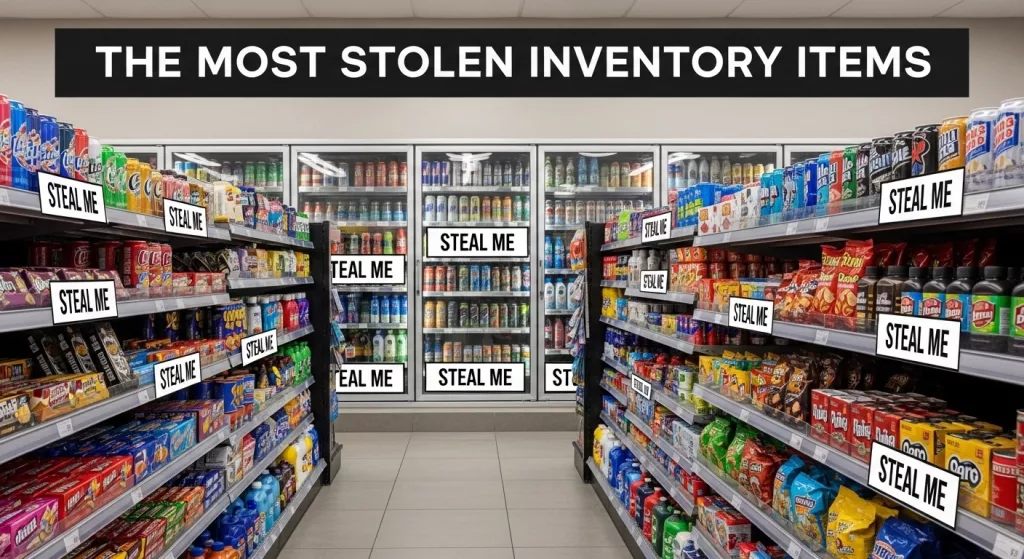
The inventory categories that drive the most shrink in c-stores typically include tobacco products, alcohol, lottery tickets, high-value over-the-counter medications, and small high-demand convenience items. These products are high-value, easy to conceal, and frequently targeted for theft.
1. Tobacco Products
Tobacco is consistently the highest shrink category for most operators. Because cigarettes and moist tobacco have a high resale value and are small enough to slip into a pocket, they are prime targets for both shoplifters and employees. NACS (National Association of Convenience Stores) data often highlights tobacco as a top-tier sales driver, which also makes it a top-tier risk. To manage this, you need to implement strict POS-level tracking. If you aren’t doing daily cycle counts on your tobacco back-bar, you are basically leaving your vault open. High-shrink inventory like this needs loss prevention software that flags every time a drawer opens without a sale.
2. Alcohol (Especially High-End Spirits and Single Cans)
Alcohol is a magnet for external theft and, unfortunately, organized retail crime where people grab entire cases or expensive bottles of bourbon to resell elsewhere. There is also the issue of “grazing,” where a customer might open a single tallboy in the back of the store. Real-time inventory visibility is the only way to catch these discrepancies between your sales records and what is actually sitting in the cooler. Store theft prevention strategies should include placing high-end spirits behind the counter or using security “bottlenecks” to deter quick grabs.
3. Lottery Tickets
Lottery is a weird one because the shrink is often administrative rather than just “theft” in the traditional sense. Activation errors happen all the time where a clerk activates a book but doesn’t log it right, or maybe there are reconciliation gaps at the end of a shift. If your back-office reporting isn’t tight, you might lose hundreds of dollars in lottery payouts or scratch-offs and not even realize it until the end of the month. Audit trails are your best friend here. Speaking of friends, I saw a great documentary on how they make those scratch-off coatings last week, it is actually a very complex chemical process involving specialized polymers. Anyway, back to the lottery, you need exception reporting to see if certain employees are “forgetting” to scan tickets.
4. Over-the-Counter Medications
Small bottles of pain relievers, allergy meds, and energy boosters are very easy to conceal. Because these items are often “set and forget” on a side rack, they go un-monitored for weeks. Using category-level shrink reporting helps you see if your HBA (Health and Beauty Aids) section is actually making money or just providing free supplies to the neighborhood.
5. Grab-and-Go High-Demand Items
Energy drinks, protein bars, and vape products are the newest stars of the high-shrink world. Vapes in particular are high-value and very popular. Convenience store inventory management best practices suggest treating vapes like tobacco-keep them behind the glass. If you leave them on a counter display, they will disappear.
Why These C-Store Inventory Categories Are High Risk
- Small and easy to conceal in a jacket or bag.
- High resale value on the street or at flea markets.
- Frequent transactions mean more chances for “short-ringing” by staff.
- Limited manual oversight because managers are busy with fuel deliveries.
- Inconsistent cycle counting makes it hard to know when the loss happened.
- How to Reduce Shrink in High-Risk C-Store Inventory Categories
To really get a handle on this, you have to move away from paper logs and move toward real-time POS inventory tracking. When a sale happens, the inventory should be deducted immediately so your “book” value is always current. This reduces manual errors and lets you spot a problem in hours instead of weeks.
Another huge factor is exception and variance reporting. This is a “how-to” for catching internal theft: look for unusual voids or refunds. If a clerk is voiding a lot of cigarette sales, they might be pocketing the cash. You should also set role-based permissions in your c-store inventory management software so that only managers can perform sensitive tasks like price overrides or inventory adjustments. This prevents internal manipulation and strengthens your overall store theft prevention.
The Role of Technology in C-Store Loss Prevention
Integrated systems are the backbone of a modern gas station. When your POS talks to your back-office, you get a level of audit readiness that manual stores just can’t match. You can automate alerts for shrink trends, so if your Red Bull inventory drops suddenly on Tuesday nights, you can check the cameras for that specific window. Petrosoft provides an end-to-end solution built specifically for convenience retailers to handle these exact headaches.
Frequently Asked Questions
What is the biggest cause of shrink in c-stores?
The biggest cause is usually a mix of external shoplifting and internal employee theft, primarily targeting high-value, small-sized items like tobacco and electronics. Administrative errors in receiving also play a big role.
How can c-stores reduce tobacco shrink?
The most effective way is through daily cycle counts and using a POS system that integrates directly with back-office software for real-time tracking. Keep all tobacco products behind the counter or in locked cases.
How often should high-risk c-store inventory be counted?
High-risk items like cigarettes and lottery should be counted daily, ideally at every shift change. Other high-shrink items like alcohol or energy drinks should be counted weekly.
What software helps reduce c-store inventory shrink?
Integrated POS and back-office inventory management systems, like those offered by Petrosoft, are designed to track every unit and flag variances automatically.
Protecting your inventory is about more than just “watching the floor,” it is about having the data to see what you can’t see with your eyes. By focusing on these high-risk categories and using the right tools, you can keep your profits where they belong-in your bank account.