
Estimated reading time: 4 minutes
The first quarter of 2026 has introduced a “perfect storm” for convenience store operators. While fuel margins remain the headline, the real battle for profitability is being fought at the back counter. Between the March 2026 tobacco price hikes and the fallout from recent interchange fee legislation, the “manual” way of managing a price book isn’t just slow—it’s a drain on your net profit.
For operators in states like Maine, where cigarette taxes just jumped to $3.50 per pack, or Washington, where the 95% nicotine tax now applies to all synthetic products, “close enough” pricing is a recipe for an audit nightmare.
Navigating the 2026 Tobacco Tax “Cliff”
The most immediate threat to c-store SEO and store-level profitability is the rapid shift in excise taxes. In February 2026, the industry saw a massive spike in the “presumed cost of doing business” across several key regions. If you aren’t updating your price book in real-time, you are likely under-collecting on every transaction.
Modern inventory management software has shifted from being a convenience to a compliance necessity. Leading retailers are now utilizing Tobacco Scan Data programs to fight back. By participating in manufacturer-funded rebates from Altria and RJR, you can offer the competitive “pack price” customers expect while the software handles the backend tax reporting. This ensures your store remains the preferred destination for high-frequency shoppers without sacrificing your 2026 margins.
The Illinois Ruling and the Future of Swipe Fees
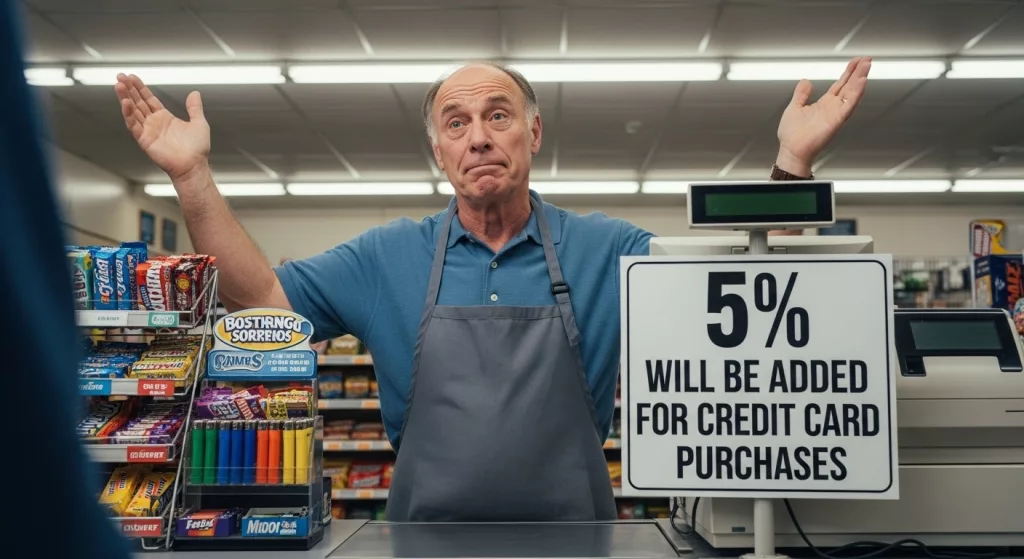
One of the most searched topics in fuel retail this month is the Illinois Interchange Fee Prohibition Act. With the federal court recently upholding the ban on swipe fees for the tax and tip portion of transactions, a new precedent has been set. However, while the law offers relief, it also creates a massive accounting challenge: How do you separate the tax portion of a credit card swipe in real-time?
This is where the distinction between “legacy POS” and “Unified Back Office” becomes clear. Retailers using CStoreOffice® are already ahead of the curve, as the system is designed to reconcile these split-fee transactions automatically. As other states look to copy the Illinois model, having a system that can handle dual pricing and cash discounting without manual intervention is the only way to protect your bottom line from rising interchange costs.
Fuel Reconciliation in a “Tight-Tolerance” Environment
Environmental compliance hasn’t stayed stagnant in 2026. The EPA has tightened the screws on Statistical Inventory Reconciliation (SIR), making manual tank “sticking” a significant liability.
If your Automatic Tank Gauge (ATG) isn’t communicating natively with your back office, you are essentially flying blind. Real-time fuel management allows you to detect “ghost leaks” or delivery shortfalls the moment they happen. In a year where every gallon counts, the ability to see your exact inventory levels across multiple sites from a single mobile dashboard—like the Petrosoft Retail 360 app—is the difference between a profitable month and a regulatory fine.
Simplifying the Store Floor: The 2026 Labor Pivot
The labor market of 2026 isn’t just about finding people; it’s about keeping them. The primary cause of turnover in the convenience sector remains “task fatigue.” When a cashier is bogged down by four hours of manual shelf-tag updates, they aren’t focused on customer service or preventing “shrink” at the door.
The February 2026 release of CStoreOffice® (v26.3) specifically addressed this with an enhanced Shelf Tag Editor. By allowing staff to print custom, tax-accurate tags directly from the price management interface, you reduce the “clerical friction” of the job. It turns a grueling audit into a streamlined process, allowing your best employees to focus on what actually drives revenue: the customer experience.
The Bottom Line for 2026
In an era of “The Triple Tax”—labor, tobacco, and swipe fees—visibility is your only defense. The winners of 2026 won’t be the ones with the most stores, but the ones with the most accurate data. By integrating your POS, your fuel tanks, and your price book into a single source of truth, you stop the invisible leaks and ensure that every cent of margin actually makes it to your bank account.