
Estimated reading time: 4 minutes
For convenience store and gas station owners, keeping up with the rules for the Supplemental Nutrition Assistance Program (SNAP) can feel like trying to pump gas in a rainstorm without a canopy. But getting it right is huge because, according to NACS, convenience stores make up nearly half of all SNAP-authorized retailers in the country. Even though most redemptions happen at big grocery stores, SNAP recipients are 24% more likely to spend their dollars at a c-store compared to other shoppers, according to recent data from the NRF and industry studies. That means if you aren’t set up to handle EBT properly, you are literally leaving money on the table.
What are SNAP and EBT anyway?
SNAP is basically the modern version of food stamps, and EBT (Electronic Benefit Transfer) is the technology that lets customers spend those benefits using a card that looks just like a debit card. As an owner, you act as the gatekeeper. Your job is to make sure that the program is used for “staple foods” intended for home preparation and not for stuff that isn’t allowed. If you mess this up, the USDA doesn’t just send a polite letter; they can hit you with massive fines or even pull your authorization entirely which would be a disaster for your monthly revenue.
The “Yes” List: What They Can Buy
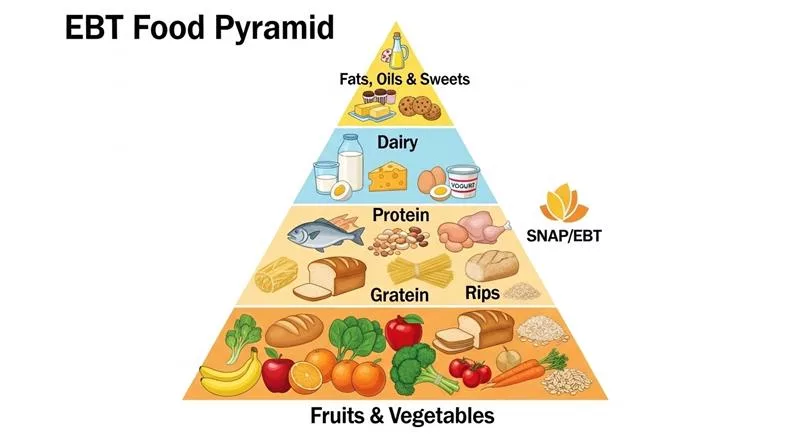
To stay compliant, you have to stock what the USDA calls “staple foods.” Under the latest 2025 guidelines, stores usually need to have at least seven different varieties in each of the four staple categories, including meat, dairy, bread/cereals, and fruits/vegetables.
- Breads and cereals: Think boxes of pasta, loaves of bread, and even those little individual cereal bowls.
- Dairy: Milk, cheese, and yogurt are all good.
- Proteins: Canned tuna, beef jerky (as long as it’s not from the hot deli), and eggs.
- Produce: Even if you only have a small basket of bananas or apples near the register, that counts.
- Snacks: Interestingly, “accessory foods” like chips, soda, and ice cream are eligible even though they aren’t considered “staples” for your stocking requirements.
The “No” List: The Danger Zone
This is where most retailers get in trouble. You cannot sell hot, prepared foods with SNAP benefits. If it’s under a heat lamp, it is a no-go. This includes that delicious rotisserie chicken or the hot slices of pizza your staff puts out at lunch. Alcohol and tobacco are obvious bans, but vitamins and medicines are also restricted. I once saw a guy try to buy a transmission fluid and a Slim Jim together on EBT-obviously, the fluid is a hard no. Energy drinks are a weird gray area; if the label says “Nutrition Facts,” it is usually eligible, but if it says “Supplement Facts,” it is a supplement and therefore restricted.
Managing Compliance Without Losing Your Mind
The biggest headache for a busy owner is training staff. High turnover in the c-store world means you’re constantly teaching new kids what can and can’t be swiped on an EBT card and honestly it’s a lot to keep track of when there is a line out the door. This is where your POS system has to step up. If your system isn’t automatically flagging items based on their SKU or UPC, you are relying on a 19-year-old to remember the difference between a cold sandwich (eligible) and a toasted sandwich (ineligible). A run on sentence like this is exactly why you need automation because manual entry is the fastest way to get an audit from the FNS and nobody has time for that.
How Petrosoft Makes It Simple
At Petrosoft, we build tools that take the “guesswork” out of the equation. Our POS and back-office software handle item-level categorization automatically. When you scan an item, the system already knows if it’s SNAP-eligible or not. This protects your license because the system simply won’t let a restricted item be paid for with an EBT card. Plus, with real-time reporting, you can see exactly what’s moving and ensure your “staple” stock levels meet USDA requirements at all times.
FAQ
Can I charge a minimum purchase amount for SNAP transactions?
No. USDA rules strictly prohibit requiring a minimum dollar amount for someone to use their EBT card. You have to treat them just like a cash customer.
What happens if I accidentally sell a hot coffee on EBT?
A single mistake might not kill your business, but a pattern of “trafficking” or ineligible sales will lead to a disqualification. The USDA monitors redemption patterns, and if your “hot food” sales look suspicious, they will come knocking.
Do I have to pay for the EBT equipment?
Most retailers have to provide their own EBT-enabled POS equipment through a third-party processor, though some state programs offer assistance for smaller stores.
Can customers get “cash back” on SNAP?
Only if they are using the “Cash Account” portion of their EBT card (often for TANF benefits). Traditional SNAP food benefits can never be exchanged for cash or non-eligible items.
Is my car’s oil change covered by SNAP?
No, and neither is the gas at the pump. SNAP is strictly for food intended to be eaten at home.