
Estimated reading time: 5 minutes
Welcome to the fast-paced world of convenience retail. You might think this is just a shop, but the scale of this industry is massive. According to NACS, convenience stores in the United States conduct about 165 million transactions every single day. That means roughly half the country walks through a c-store door daily, and now you are the face they see. Whether you are working at the register, restocking shelves, or helping customers at the food counter, your role is vital. This guide walks you through your first days and ensures you hit the ground running, with a special focus on a task that every successful c-store employee must master: lottery sales tracking.
New CStore Associate Orientation Essentials – What You’ll Learn on Day One
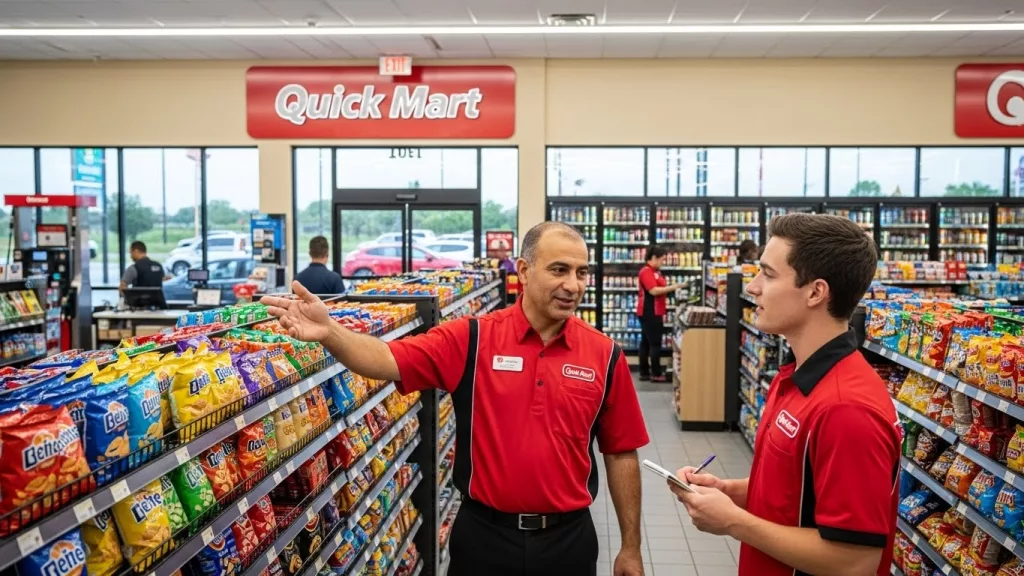
Your first day sets the tone for your time here. Expect a deep dive into the company policies and safety procedures immediately. You need to know where the emergency shut-offs are and what to do if the power fails. Uniform standards, schedule management, and communication expectations are usually covered in the first hour.
You will also tour the store layout and key equipment. Most stores use a Point of Sale (POS) system that controls everything from fuel pumps to coffee sales, along with back-office tools for inventory. Daily checklists and routines keep the chaos away. Knowing exactly what needs cleaning at 2:00 PM versus restocked at 8:00 PM makes the shift go by much faster.
Soft Skills That Make a Big Impact
Retail is a people business. The National Retail Federation (NRF) consistently highlights that customer experience drives loyalty. Greeting every customer with a smile is the simplest way to prevent theft and build a regular customer base. Handling complaints calmly separates the pros from the rookies. Usually, if a customer is upset, they are not mad at you, they are just having a bad day.
Knowing your regulars and anticipating their needs creates a connection that big box stores cannot match. Also, staying organized during peak rush hours is critical. When the line gets long and everyone is staring at you just take a deep breath because rushing only makes mistakes happen and then the manager has to come over which slows things down even more so just focus on one person at a time.
Speaking of focus, I once tried to build a bookshelf without instructions and ended up with a spice rack, which just proves that following the plan is essential whether you are doing carpentry or selling gas.
Mastering Your First Key Skill: Lottery Sales Tracking
Lottery sales are high-revenue and tightly regulated. Errors here result in lost revenue and compliance issues. This is the one area where new employees often struggle, so pay close attention.
What You Need to Know About Lottery Transactions
Activating and selling lottery tickets via the POS requires precision. It is not just scanning; it is inventory management. You must track scratch-off inventory by pack and number. If a pack goes missing, the store loses significant profit. Accurate shift-to-shift reconciliation is the only way to prove you did your job correctly.
Avoiding Common Mistakes
Never mix personal cash with lottery sales. It creates immediate suspicion and makes balancing the drawer impossible. Always print and retain shift-close lottery reports. These slips of paper are your proof of work. Also, watch for potential fraud. If a transaction feels wrong, or a customer is acting nervous while buying large amounts of tickets, trust your gut and follow store protocol.
How Retail360 Simplifies Lottery Tracking
Modern tools make this easier. Petrosoft’s Retail360 app transforms this complex task into a simple scan. The app tracks sales and pack activation in real-time, removing the need for manual pen-and-paper logs. It automates shift-close reports and accountability, ensuring the numbers always align. The system alerts the store owner to discrepancies and missing tickets instantly, protecting you from blame for errors you didn’t commit.
Day-to-Day Tasks You’ll Be Doing
Between customers, there is always work to be done. Checking and rotating inventory keeps food fresh and safe. Operating the POS system becomes muscle memory after a few shifts (especially if the store uses SmartPOS for a streamlined experience). Restocking snacks, drinks, and tobacco is constant. Finally, cleaning and maintaining store cleanliness standards is non-negotiable. A clean store is a safe store.
Helpful Tips from Veteran C-Store Employees
“Start each shift with a quick sweep of the store,” is advice you hear often. It helps you spot out-of-stocks or spills before the rush hits. “Always double-check your lottery count before and after shifts,” is another golden rule. Once you accept the drawer, you accept the variance. Finally, “Use downtime to tidy up and prep for the rush.”
What to Ask Your Manager or Trainer
Show initiative by asking the right questions. Ask what the store’s biggest rush hour is so you can mentally prepare. Find out where the lottery activation log is located if it isn’t digital. And ask how often reports are submitted for audit.
Your first few days in a c-store might feel overwhelming, but they are also exciting. With the right tools, like Petrosoft’s Retail360, and a solid understanding of tasks like lottery tracking, you become a valued team member quickly.
FAQ: Common Questions for C-Store Owners
How long should I train a new employee before they work the register alone?
Industry standards suggest at least 3 to 5 shifts of shadowing. However, for high-risk areas like age-restricted sales and lottery, wait until they demonstrate 100% compliance on three consecutive transaction audits.
My lottery count is off by small amounts frequently. Is this normal?
No. While human error happens, frequent small variances often indicate a process failure or “micro-theft.” Implement a strict shift-to-shift reconciliation using a scanning tool like Retail360 to identify exactly who is working when the variance occurs.
What is the most effective way to reduce turnover in the first 90 days?
Structure. NACS data suggests that clear onboarding processes significantly improve retention. Provide a written checklist for their first day and week so they never have to guess what success looks like.