
Estimated reading time: 4 minutes
When the summer heat hits, your convenience store’s AC works overtime, your cold beverage sales skyrocket, and your ice machine can barely keep up. But while you’re busy managing the rush inside, a silent, invisible profit-drainer might be happening right under your feet at the fuel pumps.
Heat changes the physical properties of gasoline. For gas station owners, understanding thermal expansion—and how to manage it—can mean the difference between a highly profitable summer and a season of unexplained inventory loss.
Here is a look at what the heat is actually doing to your fuel, and five actionable steps you can take to protect your bottom line.
The Science: Why Heat Cost You Money at the Pump
Gasoline is highly sensitive to temperature. When liquids get hot, they expand. When they get cold, they contract.
In the retail fuel industry, the standard baseline for a gallon of fuel is calibrated at 60°F (15.5°C).
The Underground Advantage (and Disadvantage)
Your fuel is stored in Underground Storage Tanks (USTs). Because they are buried deep beneath concrete, the fuel down there stays relatively cool and dense – usually around 60°F to 65°F, even in July.
The Dispenser Heat Trap
The issue arises when the fuel leaves the cool underground tank and travels up through the dispenser. As it sits in the pumping mechanics and the hose under the blazing sun, it rapidly heats up.
When gasoline heats up, its volume increases, but its energy density drops.
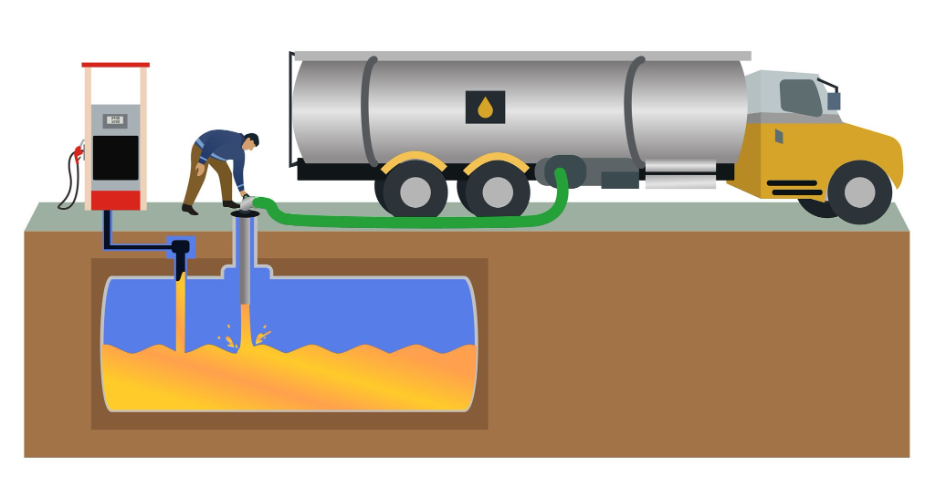
Figure 1The fuel journey: Cool underground storage versus hot above-ground dispensing.. Source: Lala Firdaa / Getty Images
Automatic Temperature Compensation (ATC)
In some regions (like Canada), gas pumps use Automatic Temperature Compensation (ATC), which adjusts the volume billed to the customer based on temperature. However, in most of the United States, gas is sold strictly by the metered volume at the current temperature.
If your underground fuel expands as it sits in a hot dispenser, you might be dispensing visually “more” liquid to a customer, but because it has expanded, you are actually losing tightly packed energy density. Conversely, if you receive a hot delivery of fuel that shrinks as it cools down in your underground tanks, you suffer from shrinkage – meaning you have fewer gallons to sell than what you paid the delivery truck for.
5 Ways Store Owners Can Beat the Heat
You can’t change the weather, but you can change how your station handles it. Use these five strategies to mitigate fuel loss and keep your equipment running smoothly.
1.Monitor Inventory Daily for ‘Shrinkage’: Takes 10 mins daily.
Use your Automatic Tank Gauge (ATG) system to track fuel variances every morning. If you notice an unusual drop in fuel volume that doesn’t align with your sales data, it could be temperature-induced shrinkage (or a subterranean leak). Catching these variances early prevents massive accounting surprises at the end of the month.
2.Schedule Deliveries During Cooler Hours: Coordinate with dispatch.
When a fuel truck transports gasoline in the baking afternoon sun, the fuel expands in the truck. If you drop that hot fuel into your cool underground tanks, it will cool down and contract, causing you to “lose” total volume. Request fuel deliveries during the late evening or early morning when ambient temperatures are lowest.
3.Inspect Vapor Recovery Systems: Monthly check.
Hotter weather means gasoline vaporizes much faster. If your stage-II vapor recovery systems or pressure-vacuum (PV) vents are faulty, you are literally watching your profits evaporate into thin air. Ensure all seals, hoses, and nozzles are tightly sealed to trap expanding vapors inside the system.
4.Keep Dispensers Clean and Shaded: Weekly maintenance.
While you can’t build a roof over every pump, maintaining your canopy is vital. Ensure your canopy fully shades the dispensers during peak sunlight hours. Additionally, keep dispenser housing clean; dust and grime trap heat inside the electronics and pumping units, accelerating the warming of the fuel inside the internal lines.
5.Prevent Vapor Lock in Pump Motors: Preventative maintenance.
Extreme heat can cause fuel to vaporize inside the internal delivery lines before it even reaches the customer’s car, leading to “vapor lock.” This causes pumps to slow down, hum loudly, or shut off completely, frustrating customers. Run regular diagnostic checks on your submersible turbine pumps (STPs) to ensure they are maintaining the correct pressure to keep fuel in a liquid state.
The Golden Rule of Summer Fuel Management: Fuel density is money. Keep it cool, measure it accurately, and never let a hot delivery catch you off guard.
By staying proactive with your underground tracking and optimizing your delivery schedule, you can keep your margins tight and ensure the summer heat doesn’t melt away your hard-earned profits.